
// Locations
Where we prepare dilapidation reports
Our structural engineers inspect and report on properties across Sydney, Melbourne, Brisbane, Perth, Adelaide, the Gold Coast, Newcastle, Geelong and the Central Coast. Choose your city for local details, or send the address and we'll confirm coverage in your quote.
The short answer
We prepare dilapidation reports in Sydney, Melbourne, Brisbane, Perth, Adelaide, Gold Coast, Newcastle, Central Coast and Geelong. Every report is prepared and signed by a structural engineer, from $390 + GST, with a fixed quote within 1–2 business hours. If your area isn't listed, send the address and we'll confirm whether we can inspect before your works start.
// Cities
Dilapidation reports by city
Each city page covers the local building stock, common triggers and ground conditions that shape what we record.
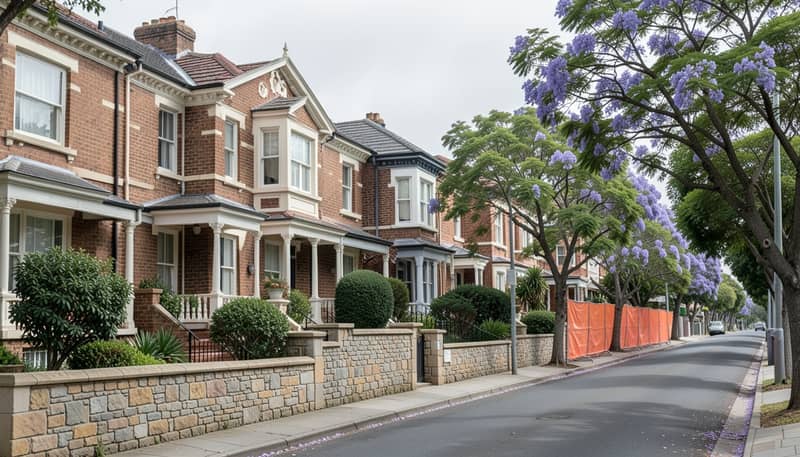
Dilapidation reports Sydney
Terraces and semis on shared party walls, basement digs in sandstone and DA dilapidation conditions.
Sydney details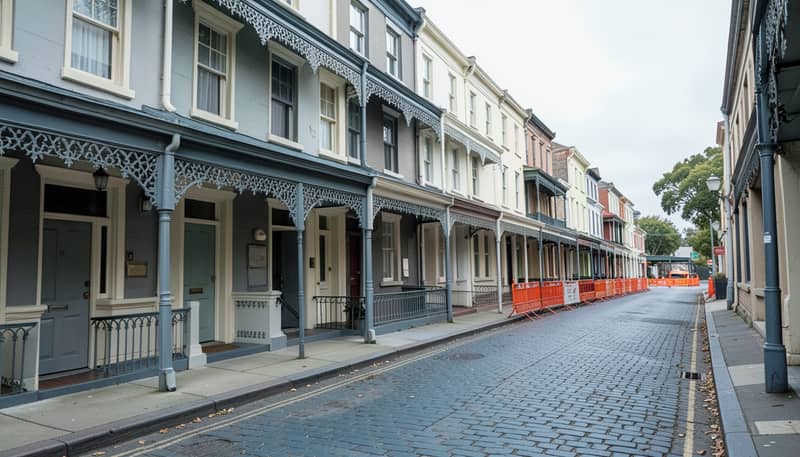
Dilapidation reports Melbourne
Victorian terraces, townhouse developments, reactive clay and council asset records.
Melbourne details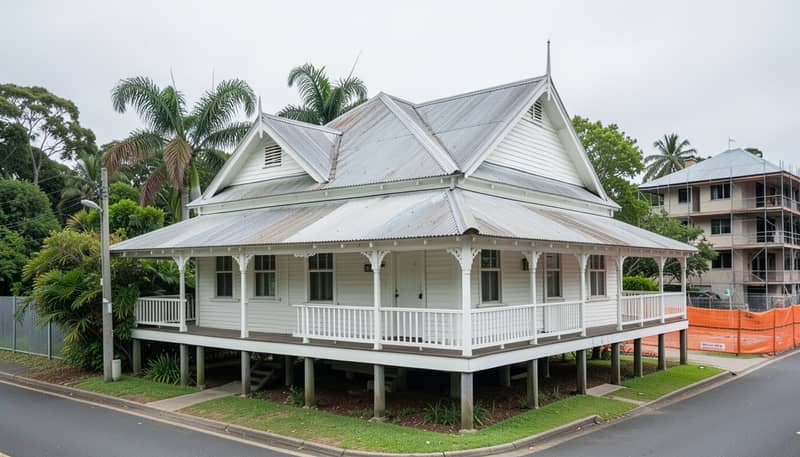
Dilapidation reports Brisbane
Queenslanders on stumps, timber linings, sloping blocks and RPEQ-signed reports.
Brisbane details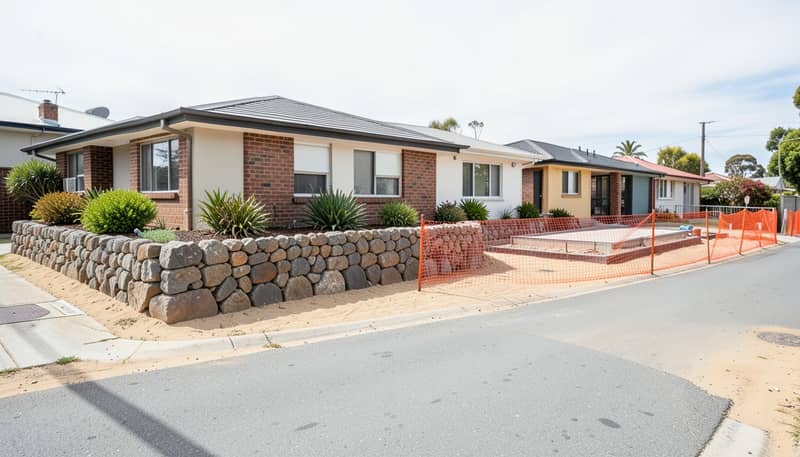
Dilapidation reports Perth
Double brick homes, limestone walls, sandy ground and vibration from compaction and piling.
Perth details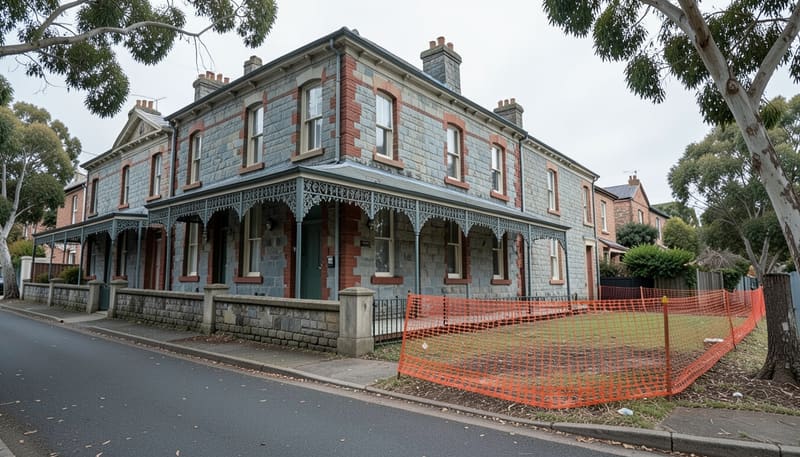
Dilapidation reports Adelaide
Stone villas with brick quoins, highly reactive clay, infill townhouses and tree removal.
Adelaide details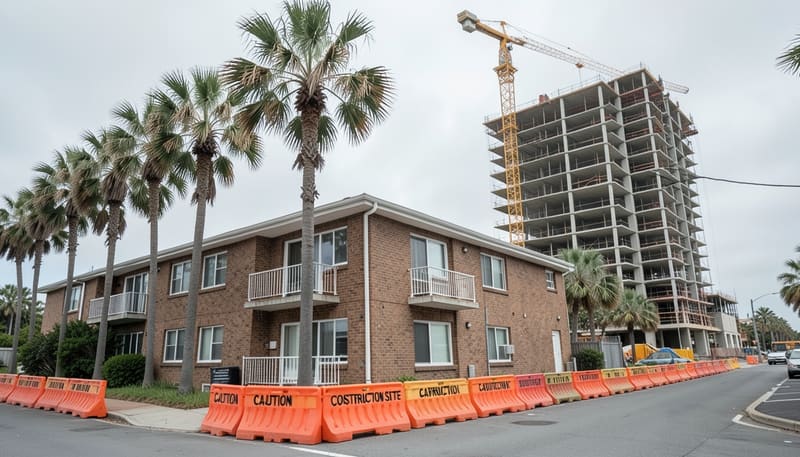
Dilapidation reports Gold Coast
Tower sites beside older unit blocks, body corporate access, sandy ground, dewatering and RPEQ-signed reports.
Gold Coast details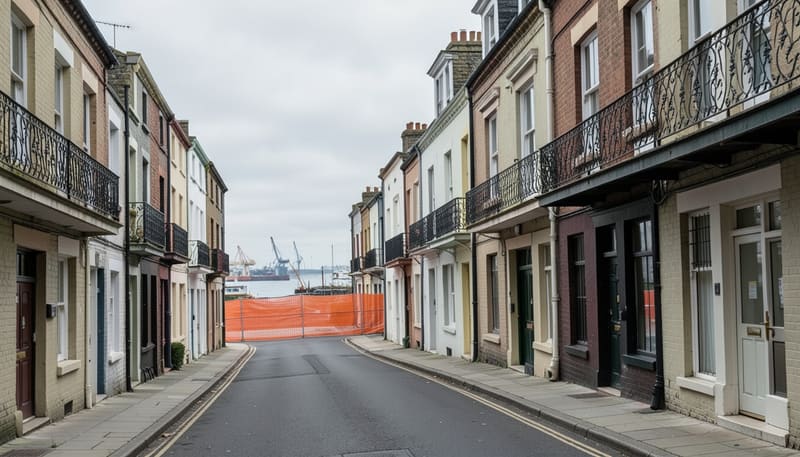
Dilapidation reports Newcastle
Victorian terraces, older masonry with earlier repairs, mine subsidence districts and apartment works near the harbour.
Newcastle details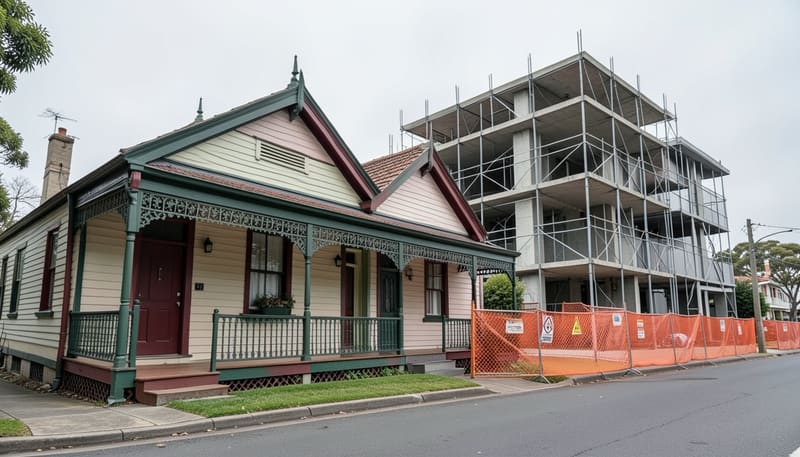
Dilapidation reports Geelong
Weatherboard cottages, reactive clay on the basalt plains, infill townhouses and council asset records.
Geelong details// Service areas
Every area we cover
We prepare dilapidation reports in 9 areas. 8 cities have their own pages. For the Central Coast and other nearby areas, send the address and we'll confirm the inspection date in your fixed quote.
- Sydney, NSW. Terraces and semis on shared party walls, basement digs in sandstone and DA dilapidation conditions.
- Melbourne, VIC. Victorian terraces, townhouse developments, reactive clay and council asset records.
- Brisbane, QLD. Queenslanders on stumps, timber linings, sloping blocks and RPEQ-signed reports.
- Perth, WA. Double brick homes, limestone walls, sandy ground and vibration from compaction and piling.
- Adelaide, SA. Stone villas with brick quoins, highly reactive clay, infill townhouses and tree removal.
- Gold Coast, QLD. Tower sites beside older unit blocks, body corporate access, sandy ground, dewatering and RPEQ-signed reports.
- Newcastle, NSW. Victorian terraces, older masonry with earlier repairs, mine subsidence districts and apartment works near the harbour.
- Geelong, VIC. Weatherboard cottages, reactive clay on the basalt plains, infill townhouses and council asset records.
- Central Coast. See also our Sydney page. Send the address to confirm coverage.
Your conditions set the scope
Whatever the city, send the exact wording of your consent or permit condition with your quote request, so the report covers the properties and public assets it asks for.
// Same standard everywhere
What's in every report, in every city?
The record is the same wherever the property is. Each report is built so the same defect can be found and re-checked months later.
Located photographs
Every elevation and accessible room, numbered and located so each photo can be retaken from the same spot.
Measured crack register
Each crack's location, width, length and orientation, linked to a photo.
Engineer's signature
Prepared and signed by a structural engineer, with a clear statement of what was and wasn't inspected.
A report per owner
Separate reports on multi-property jobs, so each owner receives the record of their own property.
Site elements
Fences, boundary and retaining walls, paving, driveways and pools near the works.
Public assets
Footpaths, kerbs and crossovers at the frontage, where your conditions require them.
// What changes locally
How do dilapidation reports differ between cities?
The building stock, the ground and the approval wording. That changes what the engineer looks at most closely, not the standard of the record.
| City | Typical properties | Ground to consider | Approvals and law |
|---|---|---|---|
| Sydney | Terraces and semis on shared party walls, older brick homes, strata | Sandstone and shale; rock breaking for basements | Dilapidation conditions are common in development consents; section 177 of the Conveyancing Act 1919 provides a right of support |
| Melbourne | Victorian and Edwardian terraces, weatherboards, townhouses | Reactive clay in many suburbs, so seasonal cracks are common | Part 7 of the Building Act 1993 covers protection of adjoining property; many councils ask for asset records |
| Brisbane | Queenslanders on stumps with timber linings, brick homes, units | Clay soils in many areas; sloping blocks and retaining walls | Check your development or building approval conditions; reports signed by RPEQ-registered engineers |
| Perth | Double brick homes, limestone walls, paving and pools | Sandy coastal plain, where vibration and compaction matter most | Check your development approval or building permit conditions |
| Adelaide | Stone villas with bluestone or sandstone fronts, double brick and brick veneer homes | Reactive clay across much of the metro area; many sites are Class H1, H2 or E | Check your development approval conditions under the Planning, Development and Infrastructure Act 2016 |
| Gold Coast | High-rise and mid-rise towers, older unit blocks, canal-front and beachside homes | Sandy coastal soils, often with shallow groundwater; dewatering and piling for basements | Check your development approval conditions; reports signed by RPEQ-registered engineers |
| Newcastle | Victorian and Federation terraces, workers' cottages, new city apartments | Varies: coastal sands, clays and filled ground; parts sit in mine subsidence districts | Development consent conditions and the NSW right of support; Subsidence Advisory NSW approval may apply |
| Geelong | Victorian and Edwardian weatherboards, brick homes, new estates and coastal homes | Reactive clays in many suburbs; sandy soils in some coastal areas | Part 7 of the Building Act 1993; check the council's asset protection requirements |
New to dilapidation reports? Start with what a dilapidation report is, see a sample report, or read when one is required.
// Not listed?
No page for your area? Ask us.
Send the address, the type of works and when they start. We'll confirm whether an engineer can inspect before your works begin, with a fixed quote within 1–2 business hours.
- The property address, or each address on a multi-property job
- Your works start date, so the inspection lands before it
- Any condition wording from your consent, approval or permit
 ON SITE · RECORDING
// Questions
Service area questions
Still unsure? Call 07 2150 0579 and an engineer will talk it through.