
// After the works · Damage concerns
Post-construction dilapidation reports and damage comparison
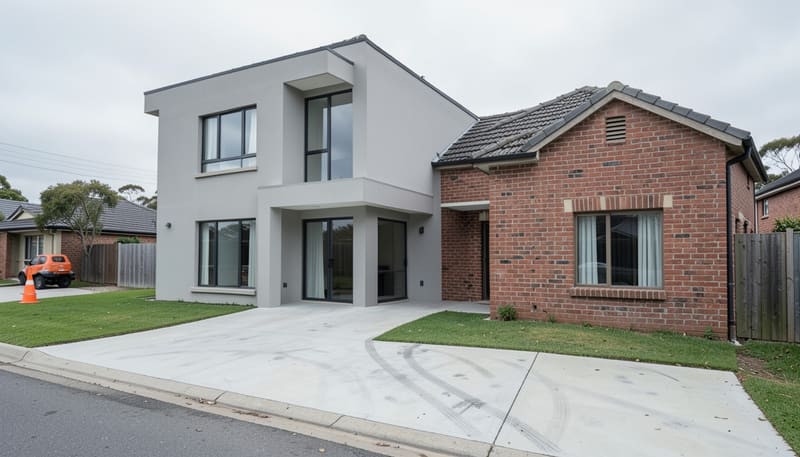
A post-construction dilapidation report re-inspects a property after nearby works finish and compares it with the pre-construction record. It identifies new or widened cracks and other changes, and an engineer gives an opinion on whether the works are a likely cause.
// Overview
What is a post-construction dilapidation report?
The short answer
A post-construction dilapidation report is a second inspection after nearby works finish, compared line by line with the pre-construction record. Every recorded crack is re-measured, new defects are logged, and a structural engineer gives an opinion on whether the works are a likely cause of any change. Together with the pre-construction report, it completes a pre and post construction survey of the property.
The pair of reports is what settles disputes: one proves what was there, the other proves what changed. Builders use it to close out a job, neighbours use it when cracks appear, and insurers use it when they need an independent view. An opinion on cause needs engineering judgement, which is one reason to choose an engineer over a building inspector. See what a dilapidation report costs.
- When
- After works finish, or after a high-risk stage such as bulk excavation
- Compared against
- The pre-construction report, ours or another provider's
- What you get
- Changes, new defects and an opinion on likely cause
- Ordered by
- Builders, neighbours, insurers or lawyers
- Signed by
- A structural engineer (Engineers Australia · RPEQ)
- Price
- From $390 + GST for a typical house, fixed before we start
 POST-WORKS · COMPARE
Key takeaways
- Same cracks, same reference points, re-measured.
- New defects are logged with new reference numbers.
- The engineer gives an opinion on likely cause, not just a list of changes.
- We don't do repairs, so that opinion is independent.
// Before and after
Pre-construction vs post-construction: what's the difference?
The pre-construction report records the baseline. The post-construction report measures the same things again and shows what changed.
| Pre-construction | Post-construction | |
|---|---|---|
| When | Before works start | After works finish, or a high-risk stage |
| Purpose | Record the baseline | Compare against the baseline |
| Cracks | Measured and logged | Re-measured, plus any new ones |
| Photos | Located and numbered | Retaken from the same positions |
| Output | Photos, crack register, defects | Changes, new defects, opinion on likely cause |
| Usually ordered by | The builder or developer | Builder, neighbour or insurer |
| Ref | Location | Before | After | Status |
|---|---|---|---|---|
| C-01 | Front elev. | 1.5 mm | 1.5 mm | No change |
| C-02 | Bed 2 ceiling | 0.5 mm | 1.2 mm | Widened |
| C-04 | Side path | 3.0 mm | 3.0 mm | No change |
| C-06 | Laundry wall | None | 0.8 mm | New |
Illustrative extract. Each line links to before and after photos taken from the same position. See a full sample dilapidation report.
// How the comparison works
How does a post-construction inspection work?
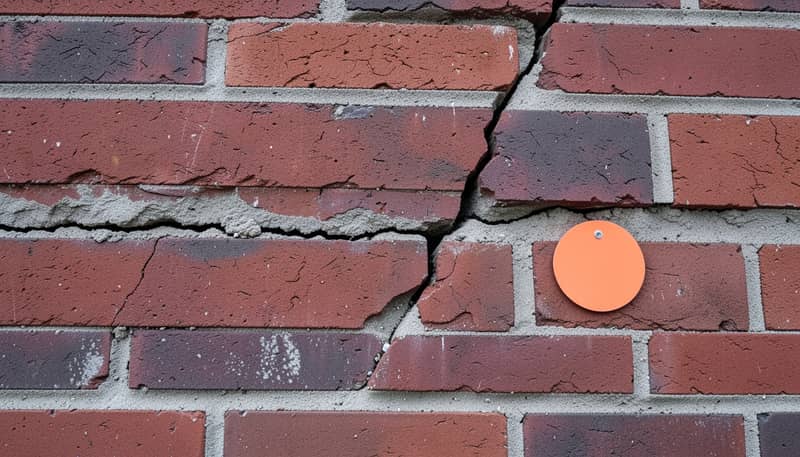
We return to each location in the original record and re-photograph it from the same position. Every crack in the register is re-measured, new defects are added, and anything that has changed is flagged.
- When you book
Send the original report
The pre-construction report, ours or another provider's, and the dates of the works.
- On site
Re-inspect from the same positions
Each photo location revisited and every crack in the register re-measured.
- On site
Log changes and new defects
Widened cracks flagged with before and after widths; new defects given new reference numbers.
- After the inspection
Assess likely cause
The engineer weighs the pattern, location and timing of each change against other causes.
- Delivery date in your quote
Issue the signed comparison report
A side-by-side record of what changed, with the engineer's opinion.
Opinion, not liability
The report gives an engineering opinion on likely cause. Who pays for repairs is settled between the parties, their insurers or lawyers. We don't quote for or carry out repairs.
// Engineering opinion
How does an engineer decide whether works caused the damage?
Not every new crack is caused by works next door. The engineer looks at the evidence as a whole before giving an opinion on likely cause.
Pattern and direction
Stepped, diagonal, vertical or horizontal. The shape of a crack helps show what moved.
Location
Whether changes cluster on the side facing the excavation or are spread through the house.
Timing
When the change appeared relative to demolition, excavation, piling or other stages.
Measured change
Width and length against the baseline, rated using the AS 2870 damage categories.
Other causes
Leaks, poor drainage and seasonal movement of reactive clay soils, which open and close cracks on their own.
Ground and footings
The site's soil and footing conditions, and whether the house sits within the excavation's zone of influence.
Read what to do if construction next door damages your house for the steps owners and builders take once a change is found.
// If new damage is found
What happens if new damage is found?
The report turns each change into evidence the parties can act on. Here's how a finding moves through the report.
Is the crack new, or wider than the baseline?
Each crack in the register is re-measured and new defects are searched for.
Yes → logged with before and after measurementsNo → recorded as no changeDoes the pattern fit the nearby works?
Pattern, location and timing are weighed against other causes.
Yes → opinion that the works are a likely cause, with reasonsNo → other likely causes set outCould the movement still be active?
Repairing a crack that's still moving wastes money.
Yes → crack monitoring before repairsNo → the report is the evidence for next stepsAre repairs needed?
The report describes what changed and why. It doesn't price repairs.
Yes → the parties arrange repairs using the reportNo → the record closes out the job
// No baseline?
What if nobody recorded the property before works?
It happens often: works start without a dilapidation report, and months later there's a disagreement about cracks. We can still help. We record the current condition in full, look at the age and pattern of each defect, and give an engineer's opinion on which damage appears recent and whether the nearby works are a likely contributor.
Without a baseline that opinion carries more uncertainty, and we state that clearly rather than overreach.
Noticed a new crack?
Photograph it with something for scale, note the date, and tell the builder in writing straight away. Don't patch or paint over it until it has been recorded and measured.
Works still under way?
Start crack monitoring now so any further movement is measured. If you're the builder with works ahead, a pre-construction report of the remaining neighbours still helps.
// Related services
Other reports we prepare
Pre-construction dilapidation reports
Record every neighbouring property before demolition, excavation or piling starts.
Learn more Owners · Buyers · Strata committeesBuilding condition assessments
An engineer's view of what defects mean, what's causing them and what to fix first.
Learn more During works · MovementCrack monitoring
Track whether existing cracks are moving while nearby works are under way.
Learn more// Questions
Post-construction dilapidation report FAQs
Still unsure? Call 07 2150 0579 and an engineer will talk it through.