
// Guides
Dilapidation report guides
Straight answers for builders, developers and neighbours: what dilapidation reports are, when you need one, who pays, which standards apply and what to do if damage appears.
 FIELD GUIDES
The short answer
A dilapidation report is a dated record of a property's condition, made before nearby demolition, excavation or construction starts. It combines located photographs with measured cracks and defects, so that if damage is claimed later, everyone can see what's new. These guides explain when you need one, who pays, who should prepare it, which standards apply and what to do if damage appears.
- When
- Before demolition, excavation, piling or heavy works near a boundary
- Who orders it
- Usually the builder or developer; neighbours can order their own
- Who prepares ours
- Structural engineers (Engineers Australia · RPEQ)
- Our price
- From $390 + GST, fixed quote within 1–2 business hours
// Reading path
Start here: the guides in a logical order
New to dilapidation reports? Read them in this order, from the basics to what happens if something goes wrong.
- Start here
Understand the basics
What a dilapidation report records, how cracks are measured and rated, and how the report is used if damage appears.
- Before works are booked
Check whether you need one, and who pays
Common triggers, how to read your consent conditions, who normally pays for each report and how Victorian asset protection permits work.
- Planning the inspection
Arrange access and choose who prepares it
What to do if a neighbour says no, and what a structural engineer adds over a building inspector.
- Checking quality
Know what a good report looks like
Which standards reports reference, how AS 2870 rates cracks, and what makes a report defensible.
- If damage appears
Act quickly and keep the evidence
The first steps to take, how engineers judge vibration and crack movement, and how cause is assessed.
// All guides
Every dilapidation report guide
Each guide starts with a short answer, then goes into the detail: checklists, charts, the relevant standards and the questions people ask most.
What is a dilapidation report?
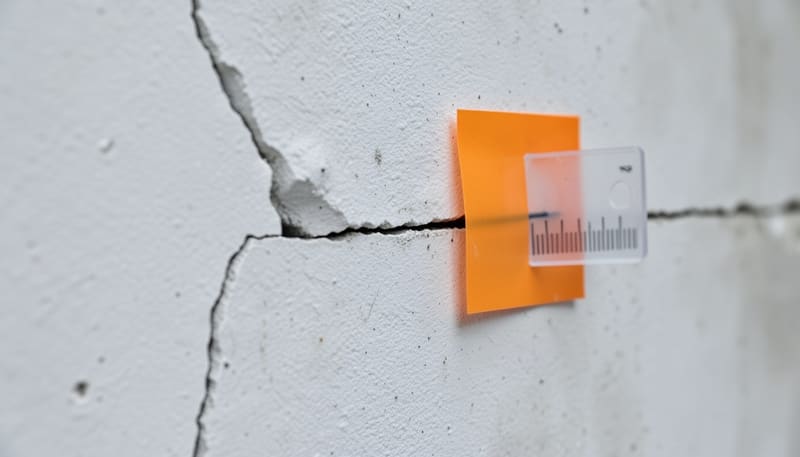
A dilapidation report is a dated record of a property's condition before nearby demolition, excavation or construction. Here's what it includes, how cracks are measured and rated, when you need one and how it's used.
Read the guide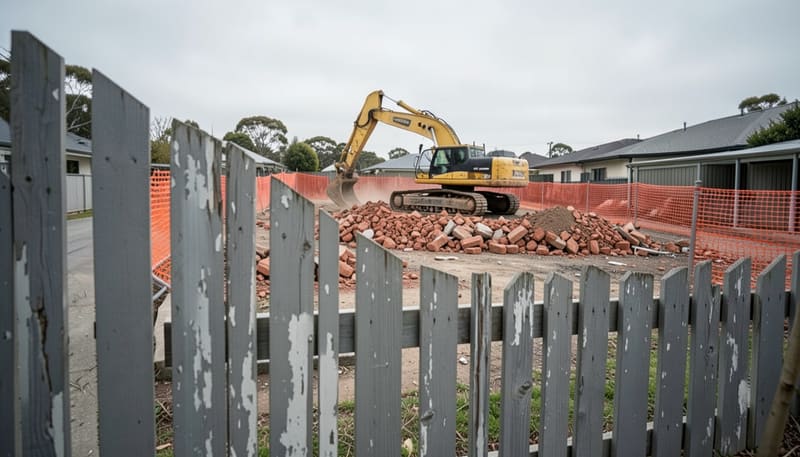
Who pays for a dilapidation report?
Usually the party doing the works pays, because the report protects them and is often a condition of their approval. Here's who pays in each situation, what each party gets for the cost, and when it's worth a neighbour paying for their own.
Read the guide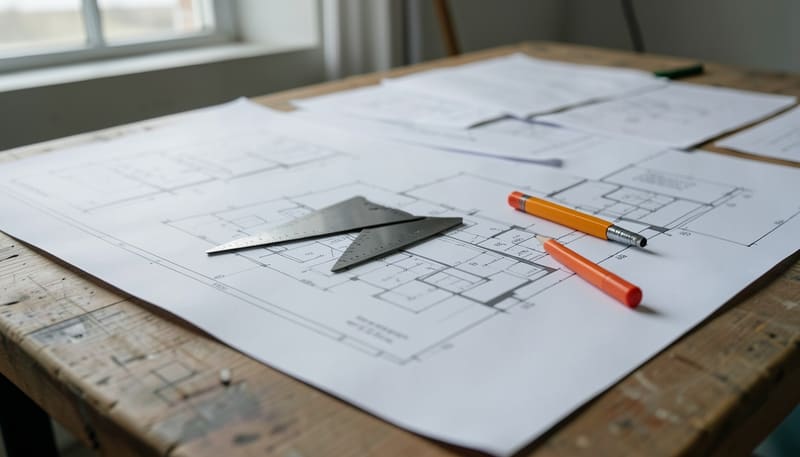
When is a dilapidation report required?
Typically before demolition, excavation, piling or heavy works near a boundary, and often as a condition of development consent. Here's how to tell whether your project needs one, when to book it and what differs between states.
Read the guide
Engineer vs building inspector
Both building inspectors and structural engineers prepare dilapidation reports. Here's how they differ in scope, measurement, sign-off and price, and when an engineer's report is worth having.
Read the guide
Can a neighbour refuse an inspection?
Yes. No one has to let an inspector in. Here's what can still be recorded from outside, how to handle and document a refusal step by step, what a good access letter says and how to turn a no into a yes.
Read the guide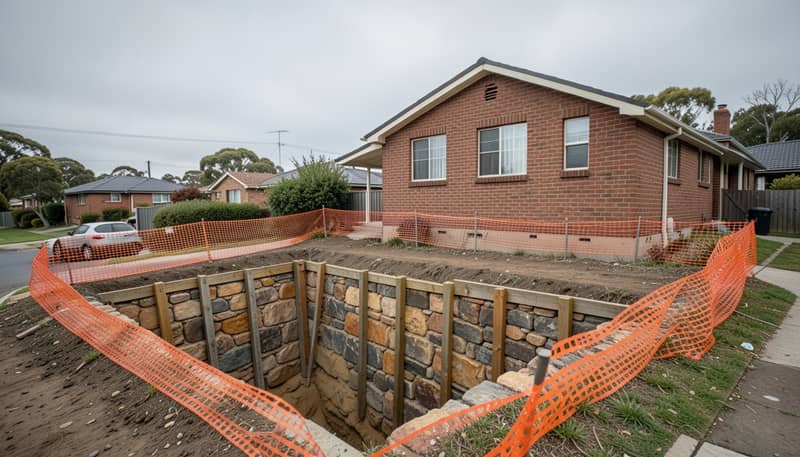
Construction next door damaged my house
New cracks while the neighbours build? Here's what to do in the first days, how engineers judge vibration and crack movement, and how to get an independent opinion on cause.
Read the guide
Australian Standard for dilapidation reports?
No standard is written specifically for dilapidation reports. Here's what reports commonly reference, AS 2870 crack categories and site classes in plain English, and what actually makes a report defensible.
Read the guide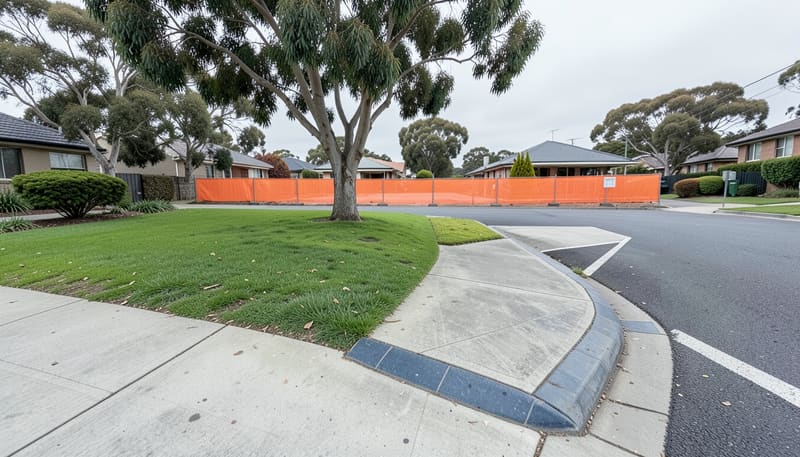
Asset protection permits (VIC)
Many Victorian councils require an asset protection permit before building work starts. Here's how the process works, who pays, which condition photos to take and how a dated record protects your bond.
Read the guide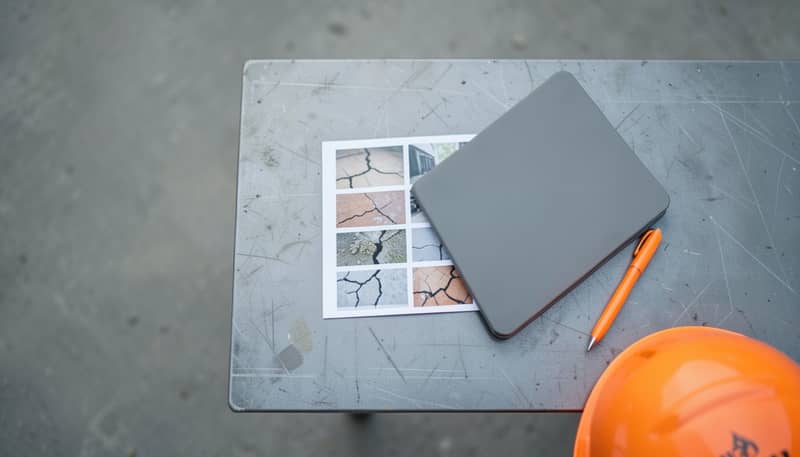
Sample dilapidation report
See the report details, photo index, measured crack register and damage categories, using illustrative data.
See the sample// When you're ready
Reports and services these guides cover
Every service is engineering only: we inspect, measure, record and report, and we never quote for or carry out repairs.
- Pre-construction dilapidation reports
- Neighbour dilapidation reports
- Post-construction dilapidation reports
- Commercial dilapidation reports
- Building condition assessments
- Crack monitoring
Know what you need? Get a fixed quote within 1–2 business hours. Reports start from $390 + GST for a typical house.
// Questions
Dilapidation report questions, answered
Still unsure? Call 07 2150 0579 and an engineer will talk it through.